Real estate marketing plan: a 30-day plan for each listing
A real estate marketing plan for one listing, week by week: what to prepare, how to launch, what to measure by source and what to send the seller.
A real estate marketing plan for a listing is a dated list of what you will do before launch, in launch week and in the four weeks after, the numbers you will check, and the report the seller gets every week. The first two weeks decide a lot, so most of the plan is about being ready on day one. This article is the plan itself. For the meeting where you pitch it to the owner, see our guide to the listing presentation.
Every portal and rule below is named with its country, because launch week in the US and in the UK runs in a different order.
The plan on one page
A listing marketing plan fits on one page. Copy this table into the seller's agreement pack and replace each "when" with a real date.
| When | What you do | What the seller sees |
|---|---|---|
| Before launch | Agree the price and review date, shoot photos and the tour, write the description | Photos, tour and text to approve |
| Launch day | Listing live on the portals or MLS, tour sent to your buyer list | The live listing and the first visits |
| Launch week | Sign with a QR code, social posts, first open house or viewings | Feedback from the first viewings |
| Weeks 2 to 4 | Read where buyers drop off, change one thing a week | What you changed and why |
| Every Monday | Send the report | Visits, contacts, viewings, feedback, next step |
Before launch: get everything ready before anyone sees it
A marketing plan for a listing starts before the first buyer sees it, because a listing never gets a second first day. Rightmove's June 2025 house price report found that UK homes with an enquiry on the first day of marketing are 22% more likely to find a buyer than homes that wait more than two weeks for their first enquiry. Rightmove names the reasons: a competitive price, a well written description and attractive images.
Price, with the seller, in writing
Rightmove's autumn 2026 figures for the UK: homes that needed no price reduction found a buyer in 39 days on average, against 119 days for homes that were reduced, and 74% of homes sold this year needed no reduction. Use your price per square foot comparison to set the price, and show the seller what they keep after the cost of selling a house. Write down the price and the date you will review it together.
Photos, tour, floor plan, description
- Photos that follow the real estate photography tips checklist, room by room.
- A 360 virtual tour, so buyers see the layout before they ask for a viewing.
- A floor plan with the measurements.
- A listing description that leads with what this home has that others do not.
- Staging where it pays, at least in the rooms of the first three photos.
The rule: the seller approves the photos and the tour before launch, so nothing is reshot in week one.
The facts you must show
US. Each MLS sets its required fields and its media rules, and some fine branded media. Check your MLS's rules on logos, links and contact details in photos and tours before you upload anything.
UK. Since 6 April 2025 the unfair commercial practices rules of the DMCC Act apply to property adverts, and the old Trading Standards guidance on material information was withdrawn, as Propertymark explains. Its advice is to review your listings for a clear and complete presentation of the key facts. Read the CMA's guidance on unfair commercial practices for the detail.
Book launch week in the diary
Photographer, sign installer, and the first open house or block of viewing slots. If any of them cannot make launch week, move the launch, not the task.
Launch week, day by day
Day 0: the order of the first entry
US. Under NAR's Clear Cooperation Policy, a listing still has to be filed with the MLS within one business day of public marketing, and NAR's March 2025 policy did not change that. A seller can ask you to delay marketing through IDX and syndication, but you need their signed disclosure of informed consent, and the length of the delay depends on your MLS, so check it. In practice: the sign and the "coming soon" post do not go up days before the MLS entry.
UK. The listing goes to Rightmove, Zoopla or OnTheMarket, usually through your CRM's feed. Check that the photos, tour link and floor plan arrive in the right fields before you tell anyone it is live.
Day 1: live, and sent to your own buyers
The listing goes live, and the same morning you send the tour link and photos to everyone on your list who asked for something similar. Your own list is the fastest place to get the first-day enquiry that Rightmove's 22% points to.
Days 1 to 2: the sign
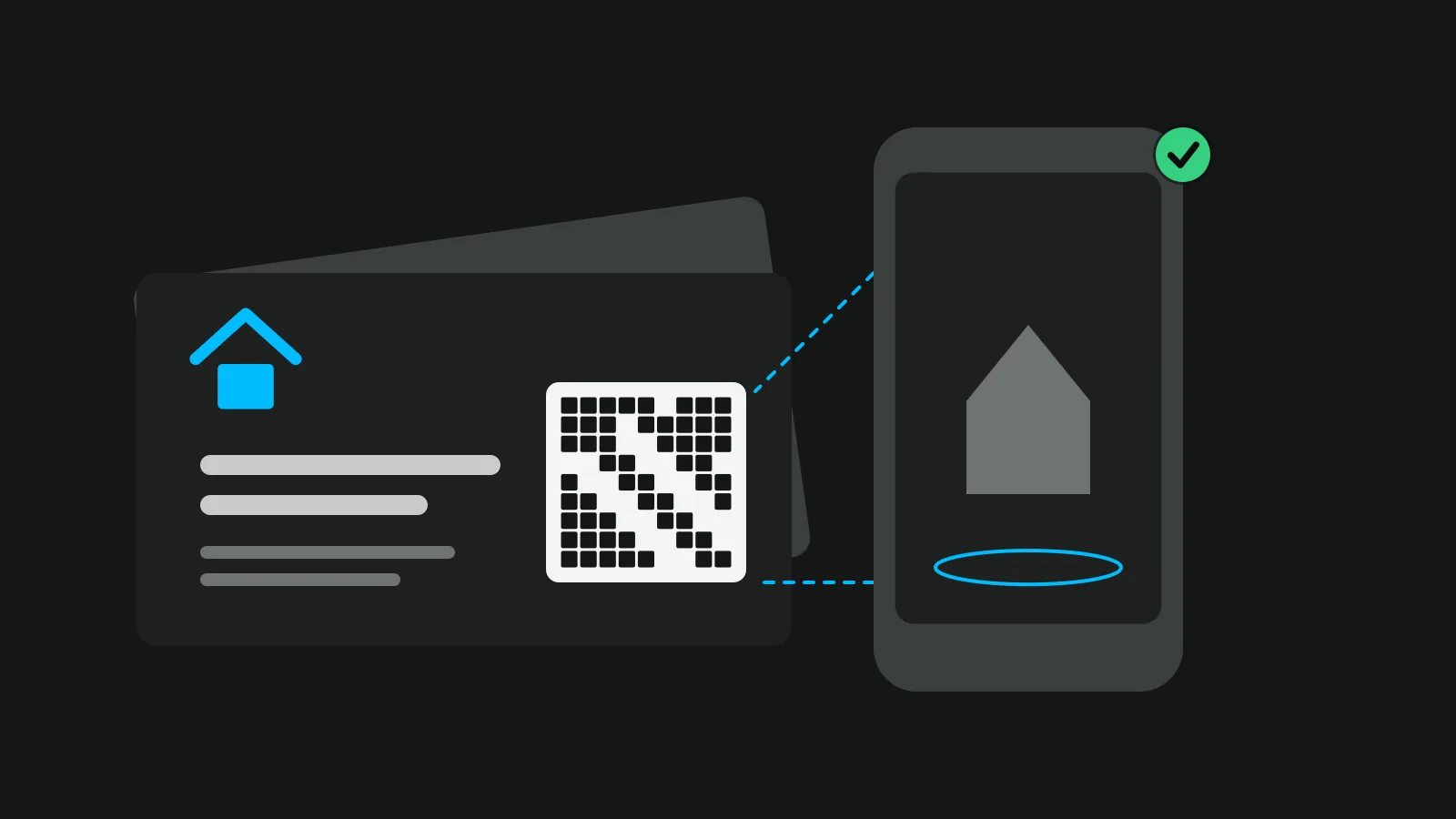
Put up the board and a window card with a QR code on your sign that opens the tour, so people who walk past can see the inside before they call.
Days 2 to 3: social media
A set of images or a carousel, a vertical reel, and a story with the link. Our social media post ideas and the guide to real estate video marketing cover what to post.
Days 5 to 7: the first open house
Hold the first open house or a block of viewings at the end of the week, when the people who saw the listing on day one are ready to see it in person. The open house ideas guide covers the day.
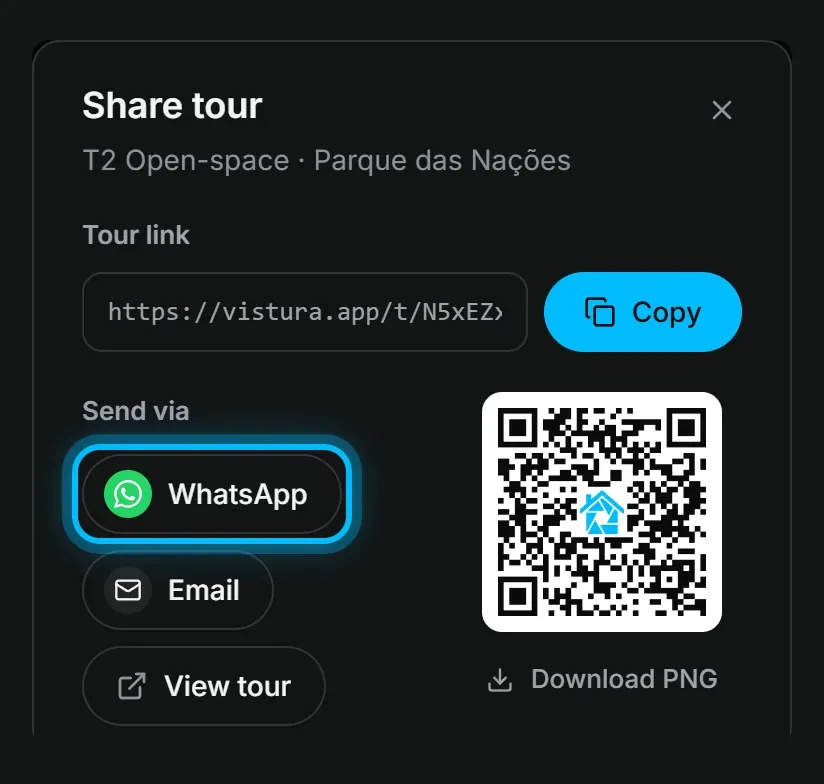
One tour can feed every one of these channels. In Vistura, "Share tour" gives you the tour link, a WhatsApp message and a "Tour QR code" for boards and windows; "Images for social media" are ready to post with a QR code and a short link that open the tour; and the "Vertical reel" pans through each room and ends on a QR code to the tour. The "Link for portals" gives each portal its own tagged link, so every channel leads to the same place and each visit is counted by where it came from.
Before the week ends, write down which link you used on each channel. Week two's numbers are only readable if you know where each one came from.
Weeks 2 to 4: read the numbers, then change one thing
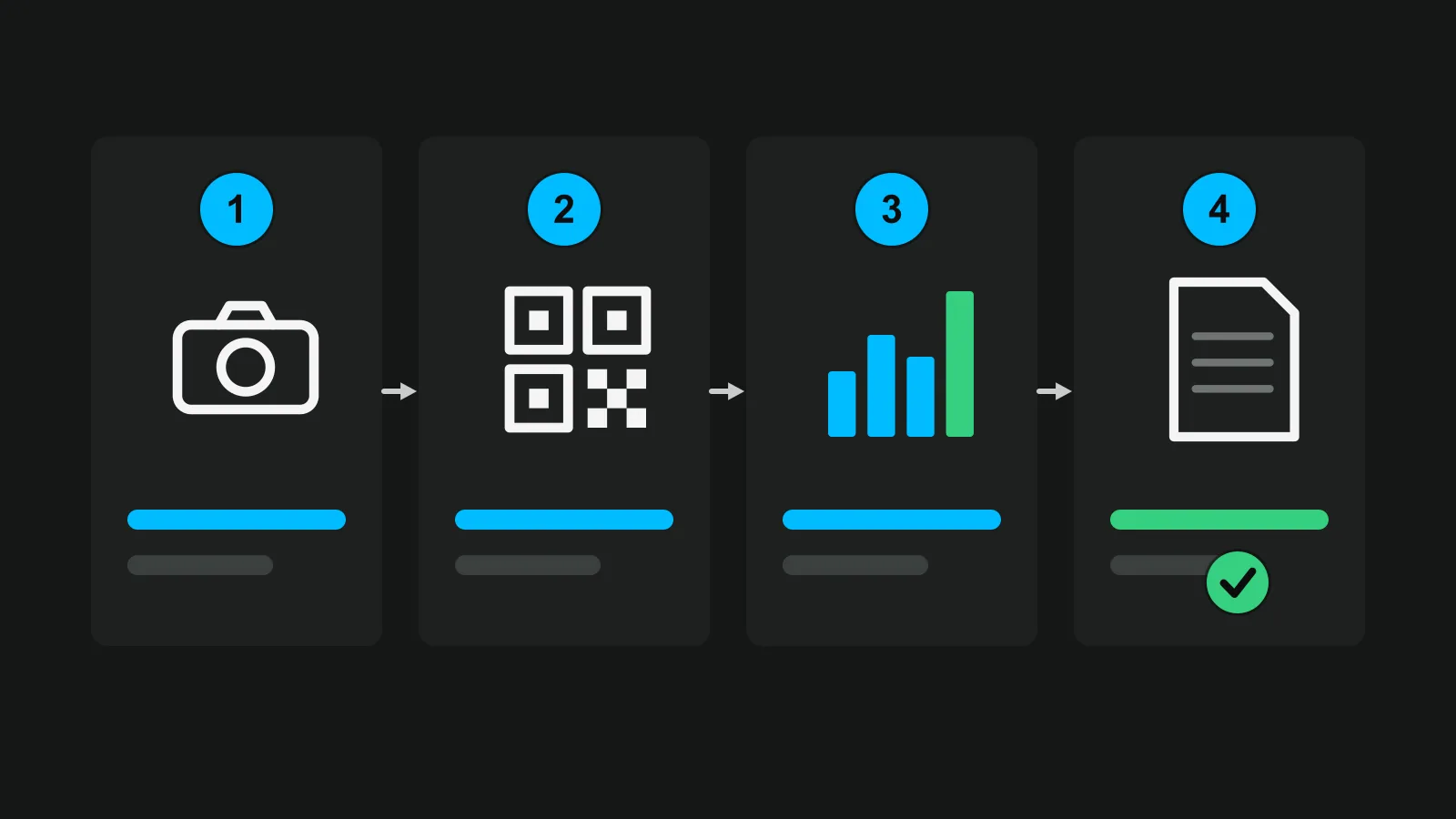
Views alone say little. What matters is where people drop off: a listing nobody finds needs a different fix from a listing everybody opens and nobody calls about. Read the numbers in this order, and change the first thing on the row that matches.
| What you see | Where buyers drop off | Change this first |
|---|---|---|
| Few views compared with your similar listings | They do not find it | Reach and filters: the price band, the area, the first photo on the results page |
| Views, but few people open the tour or the gallery | The first photo and price do not make them click | First photo, title, price band |
| Long time in the tour, few contacts | They like it, something stops them | Price, a missing fact (parking, outside space), or a contact button that is hard to find |
| Contacts, few viewings | Your follow-up | Speed and scripts: see real estate lead follow up |
| Viewings, no offers | The home or the price, seen in person | Feedback from every viewing, then price |
Read by source
Look at which channel brought the visits that turned into contacts: your buyer list, the sign, social media, each portal. Compare this listing with your own similar listings of the past months, not with a national average. There is no published benchmark for a "good" time in a tour, so your own history is the only fair comparison.
When to talk about price
Set the price review date with the seller before launch. Day 14, day 21 or day 30 are all reasonable; it is your choice, and the point is that both of you know it in advance. Bring the table above to that meeting, so the conversation starts with what the numbers show. Rightmove's 39 days against 119 explains why waiting costs time, without promising any outcome.
Change one thing at a time
If you change the first photo, the price and the description in the same week, next week's numbers cannot tell you which one worked. One change, one week, then read again.
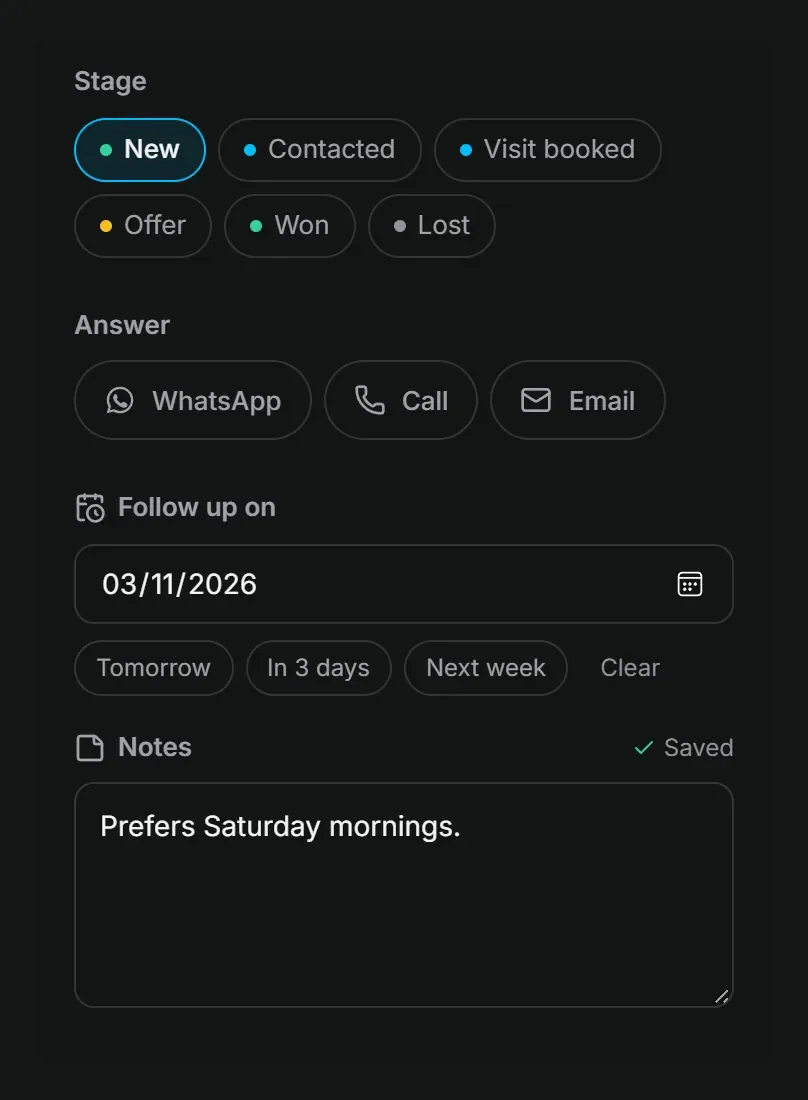
On Pro, Vistura's Statistics show "Where visitors come from" (QR code, WhatsApp and messages, social networks, property portals, email, your website), "From visit to contact", the average time in the tour and the "Rooms that hold attention", which tells you whether people leave at the kitchen or stay in the garden. Each lead moves through stages, from New and Contacted to Visit booked, Offer and Won, so the follow-up row of the table is visible at a glance. Visits and leads are counted on every plan; sources, rooms, time and stages are part of Pro.
The plan is a promise: what the seller gets every week
The listing presentation wins the listing with a plan. This part of the plan keeps it.
- The day it is signed. The plan with real dates goes to the seller in writing: one page, the table at the top of this article.
- Every Monday. Visits, contacts, viewings and viewing feedback, one line each. Then your note on what they mean, and the next step with a date. Bad weeks too: a report that shows a drop and says what you will change is the one that keeps the seller with you.
- At the price review. The numbers by source, the feedback from every viewing, and one proposal.
- After the sale. A closing report on what worked, by source, and a request for a review.
Vistura's "Owner report" sends the seller, by email or as a PDF, the tour's visits and contact requests with "Your note to the owner". On Pro it adds where visitors came from, the rooms they looked at most, the time in the tour and your logo, and "Property owner" (owner access) invites the seller to a read-only page with the same numbers, without ever showing who the buyers are. When the home sells, "Mark as sold" sends the old links to your profile (with your other homes, if your profile is public), so the sign and the posts keep working for you.
Your own yearly marketing plan, in short
Some readers want the other kind of real estate marketing plan: the one for your business over a year. It is shorter than it looks.
- One area you want to own. A street, a school catchment, a type of home. Our guide on how to get real estate listings covers how to win it.
- Your Google profile. A complete Google Business Profile with your sales and reviews.
- A monthly rhythm of posts. Sold homes, new listings, what the area is doing.
- Your past clients. A message a few times a year, and a reason to refer you.
- The listing plan, every time. Each sale run this way gives you a closing report, a review and a story for the next listing presentation.
The yearly plan is mostly the listing plan done for every listing, plus what you do between them.
Mistakes that sink the first two weeks
- Launching with half the photos and promising the rest "next week".
- In the US, a sign or a "coming soon" post up before the MLS entry.
- A price "to test the market", which spends the best days of the listing on the wrong buyers.
- Links on the sign or in posts that go to a portal search page instead of the home itself.
- No review date agreed, so the first price conversation happens when the seller is already unhappy.
- A report that only arrives when the news is good.
Frequently asked questions
How long should a listing marketing plan run?
Plan the first 30 days in detail: preparation, launch week and three weeks of reading the numbers. After that, repeat the weekly cycle of report, review and one change until the home is under offer. If nothing has moved by the review date you agreed at signing, the plan itself is due for a rethink.
When should you suggest a price reduction to a seller?
On the review date you agreed before launch, and only after you have checked the other causes: reach, first photo, missing facts and follow-up. Rightmove's autumn 2026 data shows reduced homes took 119 days to find a buyer against 39 for the rest, so the aim is to price well at the start, not to cut late.
What is the difference between a listing marketing plan and an agent's marketing plan?
A listing marketing plan covers one home, from preparation to sale, with dates and a weekly report. An agent's marketing plan covers your business for a year: your area, your profile, your past clients. The yearly plan is mostly the listing plan done well every time, plus the work you do between listings.
What should a weekly update to a seller include?
The week's visits to the listing and the tour, the contacts, the viewings and what people said at them. Add one line on what those numbers mean, the next step with a date, and anything you need the seller to decide. Send it on the same day every week, including the weeks with bad news.