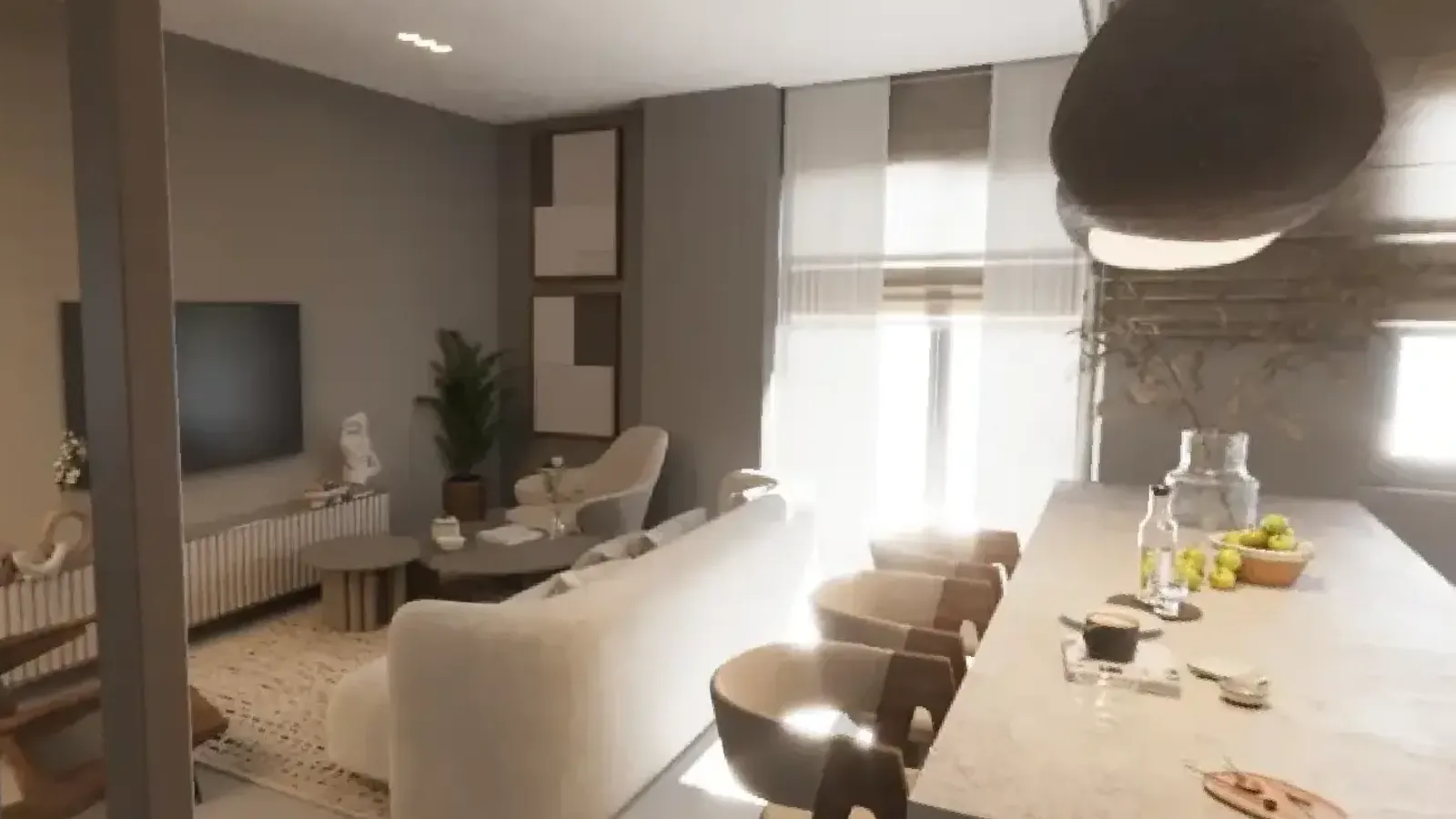
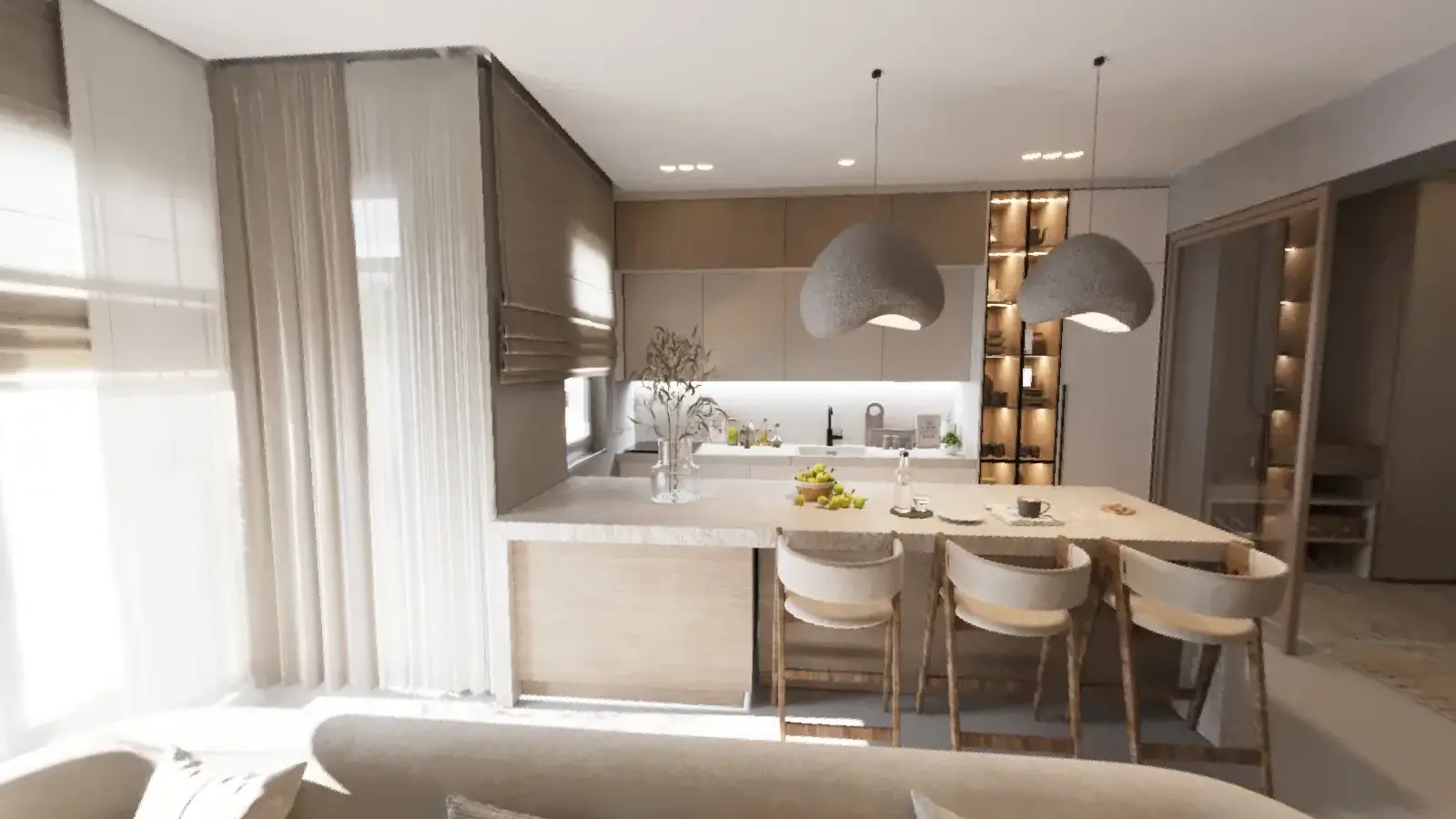
Real estate listing description: how to write one, examples
How to write a real estate listing description that gets viewings: a 5-part structure, before-and-after examples, fair housing words to avoid, a checklist.
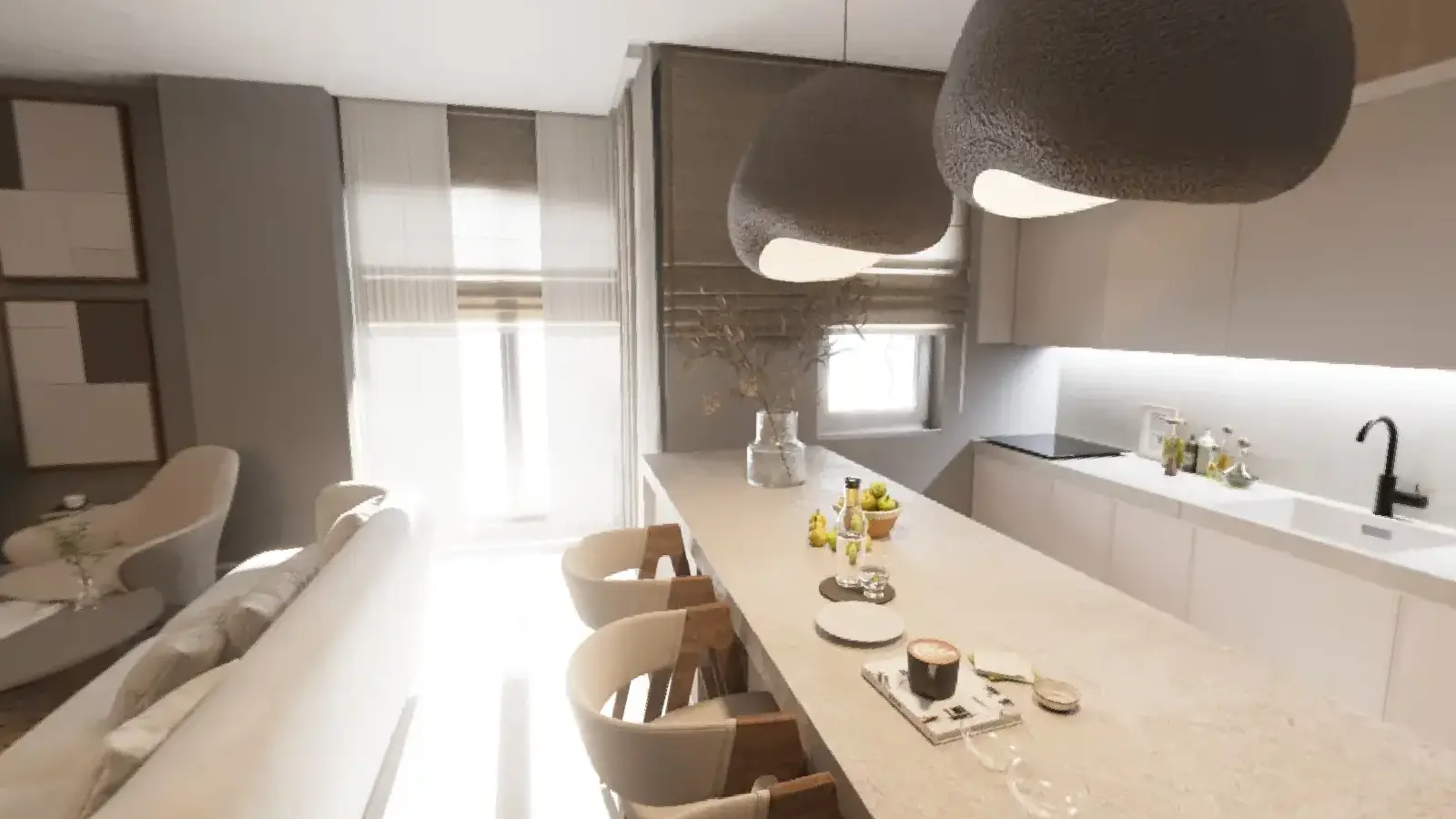
A real estate listing description is the text that sits next to the photos of a home for sale or rent. A good one answers the buyer's first questions in the first two sentences, describes the home with facts rather than adjectives, and ends by telling them what to do next: open the tour, book a viewing. This guide gives you a structure in five parts, examples before and after, the words to avoid under fair housing rules, and a checklist to run before you publish.
What a listing description has to do
Buyers look at the price, the photos and the location first. They read the description to answer three questions:
- Could I live here? The number of bedrooms, the layout, the outside space.
- What is special about this one? Compared with the ten similar homes on the same search.
- What is the catch? Stairs, noise, works needed, a service charge.
A description that answers these quickly sends the right buyers to the viewing and saves you from the wrong ones. Ornate writing does not help; clear facts do.
The 5-part structure
1. The opening line: the home in one sentence
Lead with what makes the home stand out, plus the facts buyers filter by. Many portals show only the first line or two before "Read more", so those sentences do most of the work.
- Weak: "Welcome to this stunning, must-see property!"
- Strong: "A three-bedroom terraced house with a 15 m south-facing garden, a ten-minute walk from the station."
2. The layout, in the order of a visit
Walk the reader through the home the way they would walk in: entrance, living spaces, kitchen, bedrooms, bathrooms, outside. One or two sentences per space, with sizes where you have them. A square footage calculator gives you the room sizes and the total if the plan does not.
3. The features that set it apart
Pick the three or four things a buyer would mention to a friend after the viewing: the light in the kitchen, the new boiler, the storage in the loft, the view. Give the fact behind each one ("a boiler fitted in 2024", "two double wardrobes built in") so the reader can trust it.
4. The location, with distances
Distances and times beat adjectives. "Five minutes' walk to the primary school and the high street" says more than "convenient location". Name the transport, parks and shops a buyer would actually use.
5. The next step
End with what the reader should do: "Walk through every room in the 360 tour, then book a viewing." Include the practical facts that save a phone call, such as the service charge, the council tax band or the availability date for a rental.
Examples: before and after
A two-bedroom flat
Before: "Stunning and spacious apartment in a highly sought-after area! Boasting modern finishes throughout, this gem won't last long. Perfect for young professionals. Must see!"
After: "A two-bedroom, two-bathroom flat on the third floor with a lift, a west-facing balcony and an open-plan kitchen and living room of 32 m². Both bedrooms are doubles; the main one has its own shower room. The kitchen was refitted in 2025 with an induction hob and a dishwasher. The building has a bike store and a parcel room. The tram stop is four minutes' walk away and the river path six. Walk through it in the 360 tour, then book a viewing."
The second version is no longer, but every sentence gives a fact a buyer can use. It also drops "perfect for young professionals", which describes people rather than the home.
A family house
Before: "Charming family home with lots of potential, close to everything!"
After: "A four-bedroom detached house from the 1970s with a 20 m garden, a garage and room to extend at the back, subject to planning. The ground floor has a living room with a wood stove, a separate dining room and a kitchen that opens onto the garden. Upstairs are three double bedrooms, a single and a family bathroom. The windows were replaced in 2023; the kitchen and bathroom are original and priced accordingly. The primary school is 400 m away and the motorway junction five minutes by car."
Saying that the kitchen is original is not a weakness in the text: buyers see it in the photos anyway, and stating it up front brings viewers who are happy to renovate.
Words to avoid
Words that break fair housing rules
In the US, the Fair Housing Act makes it illegal to publish a housing ad that shows a preference, limitation or discrimination based on race, colour, religion, sex, disability, familial status or national origin. Other countries have their own equality laws. The safe rule everywhere: describe the home, not the buyer.
| Avoid | Write instead |
|---|---|
| Perfect for a young couple | Two bedrooms, one bathroom |
| Ideal for singles, no kids | Studio flat, 35 m² |
| Great for empty nesters | Single-storey home with a small garden |
| Walking distance to the church | Five minutes' walk to the town centre |
| Exclusive neighbourhood | Quiet residential street |
Words that say nothing
"Stunning", "must see", "won't last long", "boasting", "nestled", "gem" and "a lot of potential" appear in so many listings that readers skip them. Replace each with the fact that made you want to use it: if the kitchen is stunning, say what is in it.
Claims you cannot prove
Do not guess sizes, ages or distances, and do not promise planning permission, rental income or a school place. Buyers check, and a wrong fact in the listing costs more trust than it ever won.
Using AI to draft the description
AI writing tools are fast at a first draft, and many agents use them. They work best when you give them the facts as a list (rooms, sizes, features, distances, what needs work) and ask for a draft in the five parts above. Then edit it: remove the adjectives, check every number against your notes, and look for any line that describes a type of buyer. Never publish an AI draft you have not read line by line.
Make the description work with the photos and the tour
The description and the pictures should tell the same story. If the text says the kitchen opens onto the garden, there should be a photo that shows it; if it mentions the loft storage, the 360 tour should include the loft. A tour lets buyers check the layout you describe, which makes the words believable. If you do not have one yet, see the real estate virtual tour guide, and to lift dark listing photos, the free photo brightener.
Add the tour link wherever the portal allows it, and end the description by pointing to it. A buyer who has walked through every room before asking for a viewing is a better use of your Saturday than one who has not.
Checklist before you publish
- The first sentence includes the property type, bedrooms and the one thing that stands out.
- Every space appears in the order of a visit.
- Each feature has a fact behind it: a date, a size, a distance.
- No line describes the buyer you want.
- No unproven claims or guessed numbers.
- The weak points a buyer will see anyway are stated plainly.
- The description fits the portal's character limit.
- It ends with the next step and the tour link where allowed.
- You have read it once aloud. If a sentence sounds like an advert, rewrite it as a fact.
When the text is ready, give buyers the home to explore next to it: a free Vistura account makes the 360 tour, its link and its QR code, and the real estate virtual tour guide explains what the tour adds to a listing.
Frequently asked questions
How long should a real estate listing description be?
Long enough to cover the five parts in this guide, usually 150 to 250 words, and within the character limit of the portal or MLS you publish on. The first two sentences matter most, because many portals show only them before a 'Read more' link.
What words should you avoid in a listing description?
Any word that describes the buyer you want rather than the home, such as 'perfect for a young couple' or 'ideal for singles', because fair housing rules forbid ads that prefer or exclude people. Also avoid vague praise like 'stunning' or 'must see' without a fact behind it, and anything you cannot prove.
Can I use AI to write a listing description?
Yes, as a first draft. Give it the real facts of the home, then check every line against them: AI tools invent features, round sizes up and fall back on the same clichés. You are responsible for what the listing says, so read it as if a buyer will hold you to it.
Should the listing description mention the virtual tour?
Yes. Say what the tour shows that photos cannot, for example how the rooms connect, and where to find it. On portals with no virtual tour field, the description is often the only place the link can go, if the portal allows links.