Real estate photography pricing: what a shoot costs
Real estate photography pricing explained: what a shoot costs, what raises the price, who owns the photos and what to ask before you book.
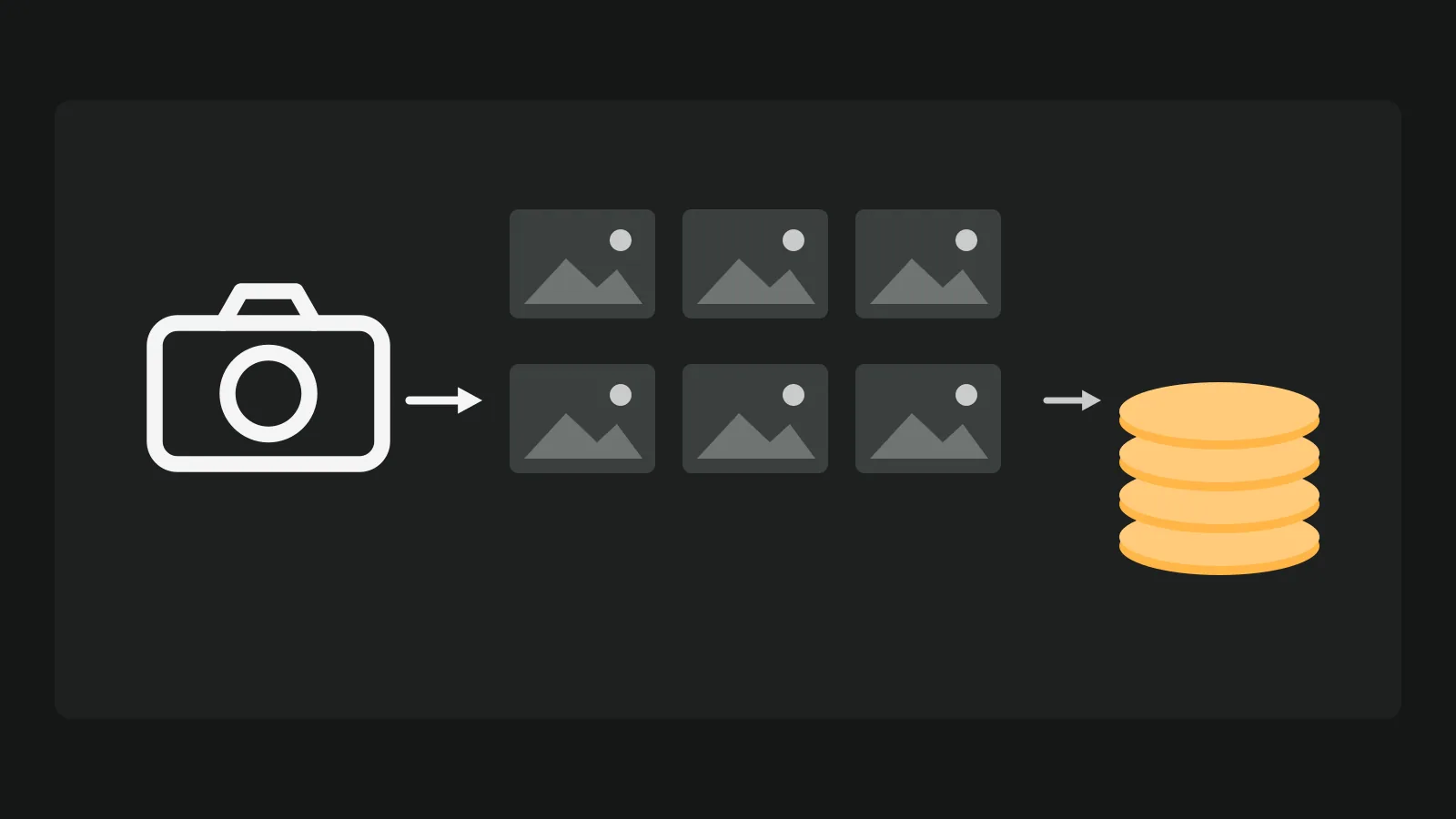
Real estate photography pricing starts at about $150 to $300 for a standard shoot in the US, and the add-ons decide the rest. That range comes from PropPhoto's August 2026 count of 684 packages from 333 photographers: the typical package was $200, and the middle half of packages cost $150 to $300. Below: one company's price list line by line, what raises the price, who owns the photos you pay for, and the questions to ask before you book.
What a real estate photo shoot costs
The clearest way to see what a real estate photography cost is made of is one dated price list, read line by line. This is HomeJab's, for single-family homes up to 4,000 sq ft.
| Item | Starting price |
|---|---|
| 15 photos, Professional (next-day delivery) | from $179 |
| 30 photos, Professional | from $199 |
| 50 photos, Professional | from $259 |
| 15 / 30 / 50 photos, Premier (same-day delivery, no travel fees, virtual twilight, 30-second video) | from $249 / $279 / $399 |
| Twilight shoot | from $259 |
| Virtual dusk (an edit) | $25 a photo |
| Drone photos | from $249 |
| Video | from $269 |
| 2D floor plan | from $179 |
| 3D tour | from $319 |
Starting prices from HomeJab's price page, updated 5 November 2026. One company's prices, not a market average. HomeJab adds that a surcharge may apply in high-cost markets such as New York City, Los Angeles, San Francisco, Seattle and Hawaii.
PropPhoto's dataset gives "typical" prices per service: photos $200, HDR $175, a 2D floor plan $205, a video walkthrough $195 and drone $125. It also notes that add-ons cost less when the photographer is already on site, so book them in the same visit.
In the UK, one example: Letting a Property's photography page, seen on 7 November 2026, lists property photography "From £159, inc. VAT" for up to 10 edited photos within 48 hours, and a floor plan from £119. Prices outside the US vary a lot by region, so compare at least two local quotes.
What changes the price
Roughly in order of how often they move the quote:
- Number of photos. Packages step up by photo count: 15, 30 and 50 at HomeJab.
- Home size. HomeJab's starting prices stop at 4,000 sq ft; larger homes are quoted separately.
- Travel and area. Travel fees, and surcharges in expensive cities.
- Twilight. A real second visit at dusk costs more than a "virtual dusk" edit per photo. If you use the edit, label it where your portal or MLS asks; see the edits you must label.
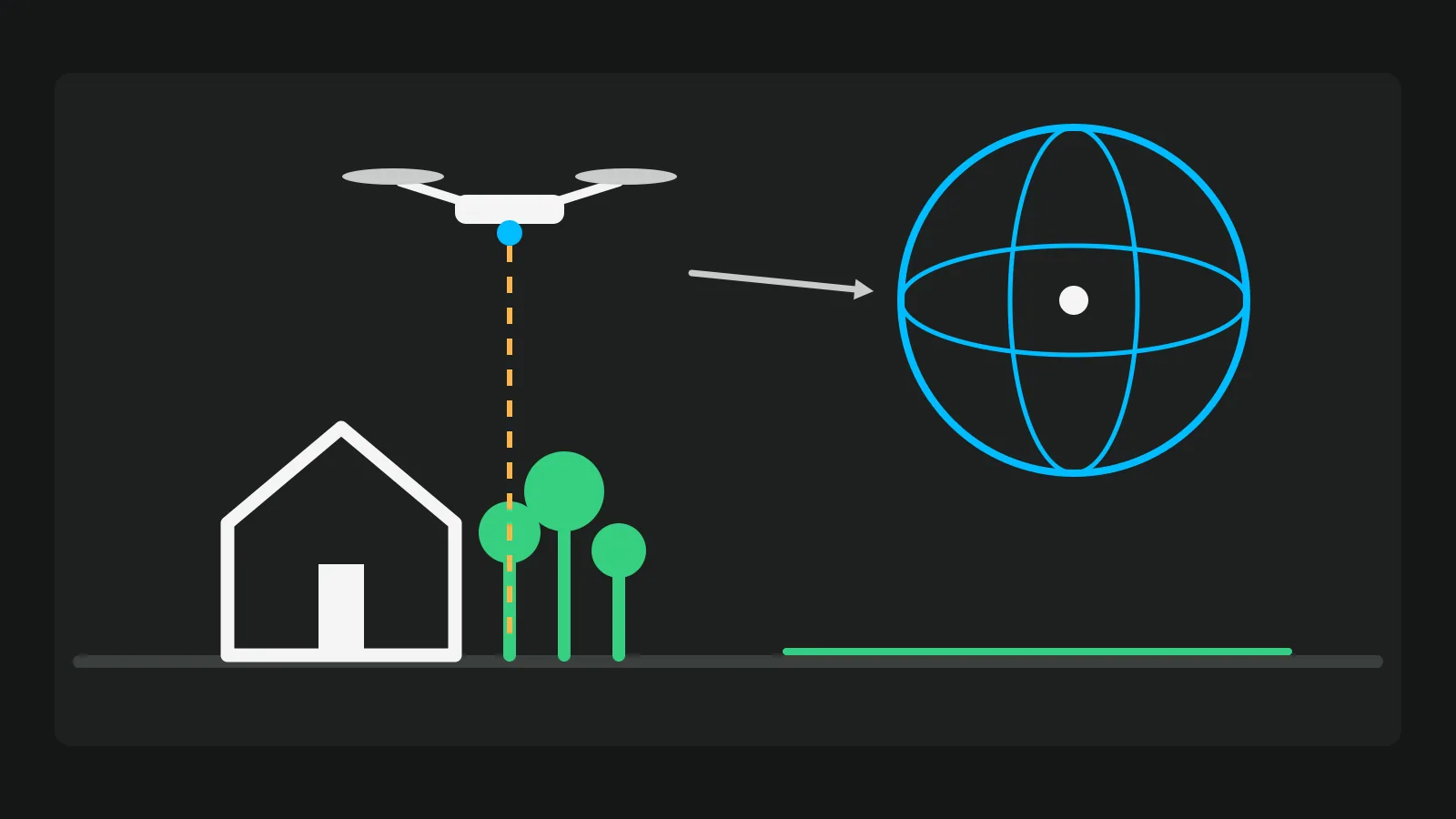
- Drone. A separate line. Ask whether the drone pilot holds the licence your country requires for paid flights (in the US, the FAA's Part 107 rules). Our guide to real estate drone photography covers the shots and the rules.
- Floor plan and video. Each a line of its own.
- 3D or 360 tour. The highest starting price on HomeJab's list. See what a virtual tour costs for tour prices.
- Editing and turnaround. Same-day delivery costs more than next-day at HomeJab, and PropPhoto says same-day delivery often adds a rush fee.
- Licence scope. What you may do with the photos, and for how long. It is a cost item, explained in the next section.
Pricing models you will see
These are the real estate photography packages and price structures you will meet in quotes.
| Model | How it is priced | Good for |
|---|---|---|
| Package by photo count | A fixed price for 15, 30 or 50 photos (HomeJab) | Most listings |
| Price by home size | Most photographers set the price by square footage or by photo count, says PropPhoto | Large or unusual homes |
| Add-ons per item or per photo | Virtual dusk or virtual staging at $25 a photo (HomeJab), drone, floor plan | Building the shoot to the listing |
| Hourly | Time on site | Rare for listings |
| Brokerage or team rate | Agreed by the office | Ask your broker whether the brokerage already has a contracted photographer or a rate |
Who owns the photos you paid for
Paying for the shoot does not make the photos yours. In most cases the photographer owns them, and you get a licence to use them.
US. Copyright "vests initially in the author" (17 U.S.C. 201(a)), and a transfer of copyright "is not valid unless" it is in writing and signed (204(a)). The exception is a work made for hire: work by an employee, or one of nine kinds of commissioned work with a signed agreement, listed in the Copyright Office's Circular 30. Listing photos are not one of the nine. So a freelance photographer keeps the copyright, and you get a licence. NAR's guidance on MLS photographs says the same: "the photographer owns the copyright for the picture taken by the photographer", and that an oral agreement "will not be enforceable against the photographer".
The MLS. Many MLSs require the listing agent to hold a broad licence. California's CRMLS, in its photo copyright article, requires an "irrevocable, unrestricted, transferable, perpetual, royalty-free, non-exclusive license" (Rule 11.5(c)). It warns that almost every photographer-drafted agreement limits use to "Marketing the Listing", which does not meet that rule, and points to the C.A.R. Property Images Agreement instead. It also says "There is no such thing as a verbal approval." Each MLS has its own rule, so read yours.
The risk is real: CRMLS states that an agent who infringes would pay "at minimum, $750 for every photograph used", and up to $30,000 per photo, or $150,000 if the infringement is wilful.
UK. "The author of a work is the first owner of any copyright in it" (CDPA 1988, s.11(1)). The employer owns it only when an employee made it in the course of their job (s.11(2)), subject to any agreement to the contrary. So an agency's own staff photographer is a different case from a freelancer.
This is general information, not legal advice. A broker or a lawyer should read your actual agreement.
When the listing moves to another agent
Three common cases: the listing agreement ends and the seller signs with another agent who wants the same photos; the seller takes the home off the market and relists a year later; or you leave the brokerage. In each one, who can use the photos depends on the licence, not on who paid for them.
CRMLS adds a detail many agents miss: once the property is no longer for sale, the right to display the photo in the MLS ends.
What to do:
- At booking, ask for a licence that is transferable and covers relisting, or agree a re-use fee in the quote.
- Tell the seller what the licence covers, so they know whether the photos can follow the home.
- If you are the new agent, ask the photographer for permission, not the previous agent, and get it in writing.
- Check your MLS's rules on photos from an earlier listing before you upload them.
What to ask before you book
Copy this list into your booking email.
- How many edited photos are included, and is there a size limit in square feet?
- Is there a travel fee or an area surcharge?
- What is the turnaround, and is there a rush fee for same-day delivery?
- What happens if it rains: a re-shoot, or a sky replacement, and will the edit be labelled?
- Twilight: a real visit at dusk, or an edited photo?
- Drone: is the pilot licensed for paid flights and insured?
- Who owns the copyright, and what does the licence let me do: MLS, portals, social media, print, my own marketing later?
- Can the licence pass to another agent or to the seller if the listing moves?
- What does a re-shoot cost if a room changes after staging?
- In what formats and sizes are the files delivered: MLS size and full size?
Split the job: the photographer for stills, you for the 360 tour
The photographer's stills carry the listing. The 360 tour can be yours: shot the same day or later, it takes a line off the invoice and stays in your account after the listing ends.
With Vistura Capture you take the 360 photos with your phone, room by room, and send them to a new tour or one you already have; or you upload 360 photos from any 360 camera. The photographer's regular photos can sit in the same tour, as a "Regular photo (not 360°)" stop, "Shown flat, without turning around". The 360 panorama app page covers Capture, and our guide on how to make the tour yourself covers the steps. For the camera, see which 360 camera suits listings.
If a photographer builds or retouches the tour for you, "Share for editing" lets them edit photos, rooms and content, while publishing, leads and statistics stay with you; inviting editors is on Pro, and the person you invite does not need a paid plan. If the photographer builds the whole tour in their own account, "Hand over to another account" moves the tour, its link, leads and statistics to yours, and visitors notice nothing: the link stays the same.
If you are the photographer: how to set your price
How much to charge for real estate photography starts with your own time and costs, not with what others charge. Work it out per shoot:
- H: hours per shoot, counting travel, time on site, editing and admin.
- R: the hourly rate you want to earn after costs.
- C: your yearly costs (camera, lenses, drone, insurance, software, car).
- N: the number of shoots you expect in a year.
Your base price per shoot is H × R + C ÷ N. Then compare it with published local price pages, such as HomeJab's or the market data in PropPhoto's survey, and adjust.
Put the licence in your price list too: a licence for marketing the listing at one price, a transferable licence that covers relisting at another. Agents then see what they are buying, and the MLS rule above stops being a surprise for either of you.
Book the stills, keep the tour
Book a photographer for the stills, ask the licence questions before the shoot, and keep the 360 tour in your own account. Vistura's Pro plan adds unlimited tours online and lets you invite a photographer to edit them.
For shooting your own photos, see the real estate photography tips.
Frequently asked questions
Do real estate agents pay for listing photos, or the seller?
Usually the agent or the brokerage books and pays, because the photos are part of the marketing they offer the seller. It is not fixed by law, so write it into the listing agreement, along with who keeps the right to use the photos when the agreement ends.
Can I use the previous agent's listing photos?
Only with the photographer's written permission, or under a licence that already covers you. Paying the previous agent is not enough, because the photographer usually owns the copyright. Ask the photographer directly, get the permission in writing, and check your MLS's rules on photos from an earlier listing.
How soon do I get the photos after the shoot?
Most photographers deliver within 24 to 48 hours, according to PropPhoto's August 2026 data. HomeJab's price list offers next-day delivery, or same-day on its Premier packages. If you need them faster, ask about a rush fee before you book, not after.
How many photos should a listing have?
Enough to show every room once and the best rooms twice. HomeJab sells packages of 15, 30 or 50 photos, and PropPhoto describes a standard package as 25 to 50. Check your MLS's or portal's maximum before you choose a package, so you do not pay for photos you cannot upload.
Should the photographer also shoot the 360 tour?
Book it together when you want one visit and one invoice. Otherwise, shoot the tour yourself with a phone or a 360 camera, on the same day or later, and keep the photographer for the stills. That way the tour stays in your own account.