How to calculate cap rate and rental yield, with examples
How to calculate cap rate, gross and net rental yield and cash on cash, with one worked example, and how agents should present the numbers to investors.
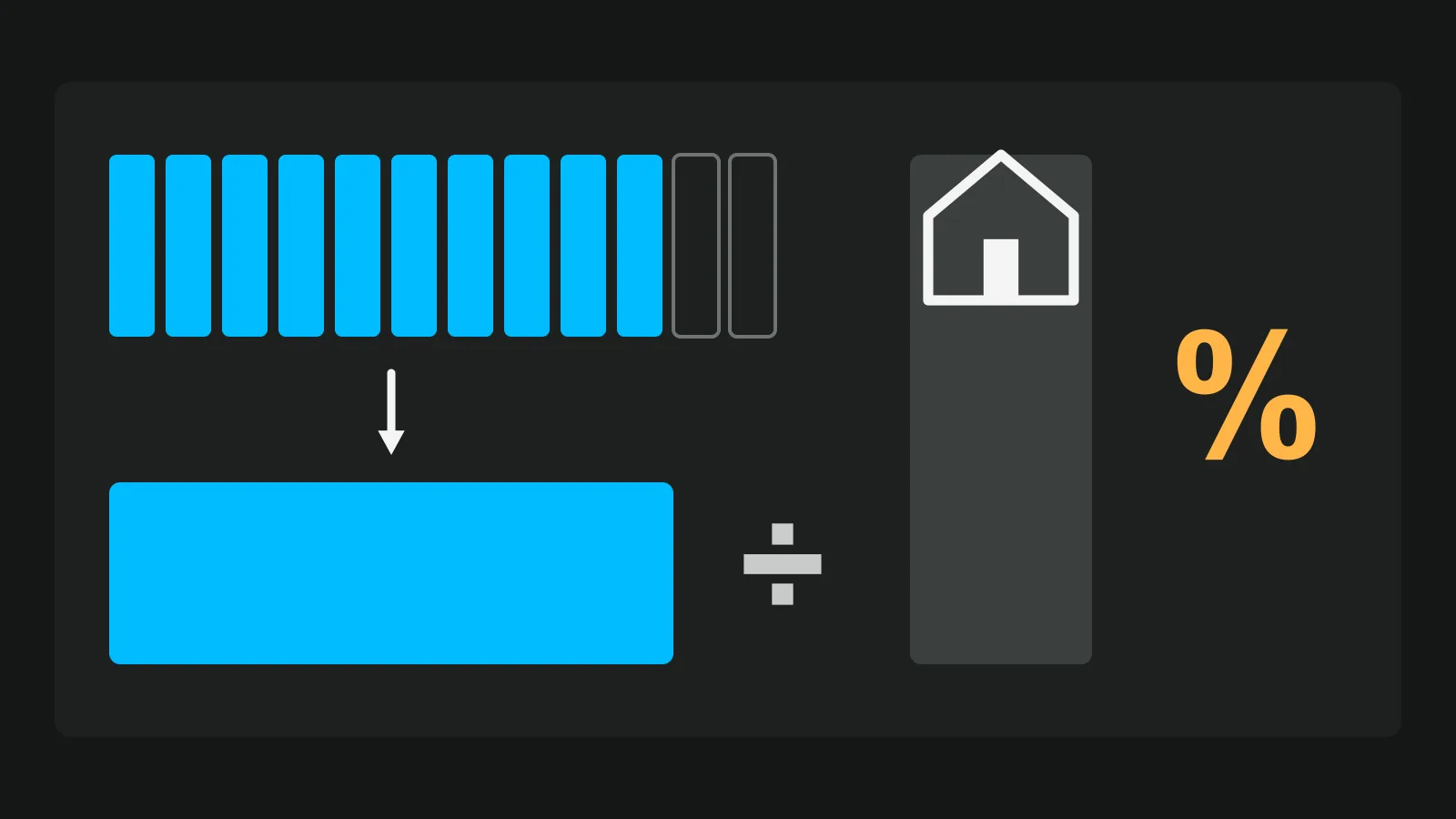
You calculate cap rate by dividing a rental property's yearly net operating income (NOI) by its purchase price, so $17,880 of NOI on a $300,000 condo is a cap rate of 5.96%. NOI is what is left of the rent after vacancy and running costs, before loan payments and income tax. Rental yield uses the same price with fewer or more costs counted, so the figure changes with the definition. This guide shows how to calculate cap rate and the other three figures on one property, and shows how to put them in front of an investor without crossing into advice.
The example below is made up to show the sums. It is not a market figure, and this article recommends no investment.
The four figures on one property
Picture a condo at $300,000. Buying it costs another $9,000, the tenant pays $2,200 a month, you allow 5% for time standing empty and $7,200 a year to keep it running, and the buyer borrows $225,000 at 6.5% for 30 years.
| Figure | The sum | Result |
|---|---|---|
| Gross yield | A year of rent ÷ the price: $26,400 ÷ $300,000 | 8.80% |
| Net operating income (NOI) | A year of rent, less vacancy and running costs: $26,400 − $1,320 − $7,200 | $17,880 |
| Cap rate | NOI ÷ purchase price: $17,880 ÷ $300,000 | 5.96% |
| Net yield | NOI ÷ (purchase price + purchase costs): $17,880 ÷ $309,000 | 5.79% |
| Yearly cash flow | NOI − loan payments: $17,880 − $17,065.84 | $814.16 |
| Cash on cash | That cash flow ÷ the buyer's own money: $814.16 ÷ $84,000 | 0.97% |
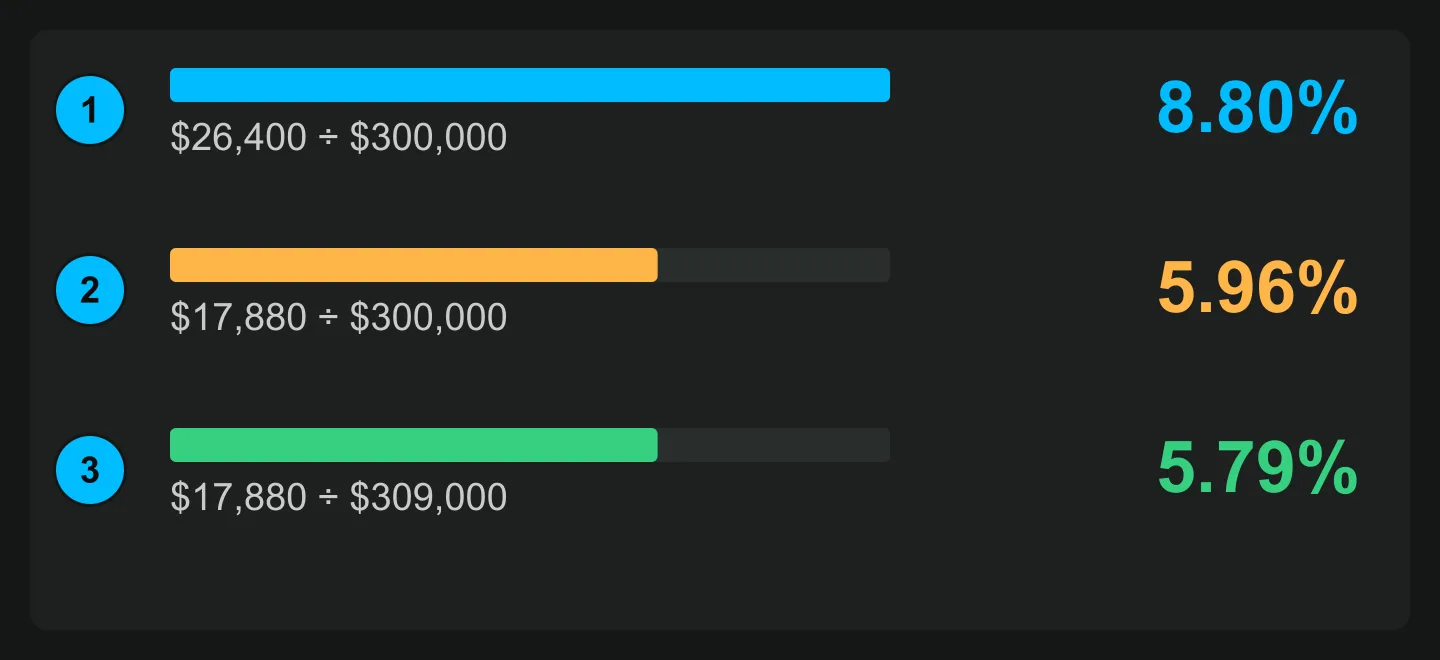
You can run your own numbers in the free cap rate calculator, with no account. It writes out every formula with your figures, and "Copy as text" gives you the result to paste into an email. These figures are the calculator's "Try example figures", so you can change one input and watch the rest move.
Why the loan changes everything except the cap rate
Investors often quote cap rate because it ignores how a purchase is financed. That makes it useful for comparing properties, and useless for answering "what will my money earn?". Same condo, with and without the loan:
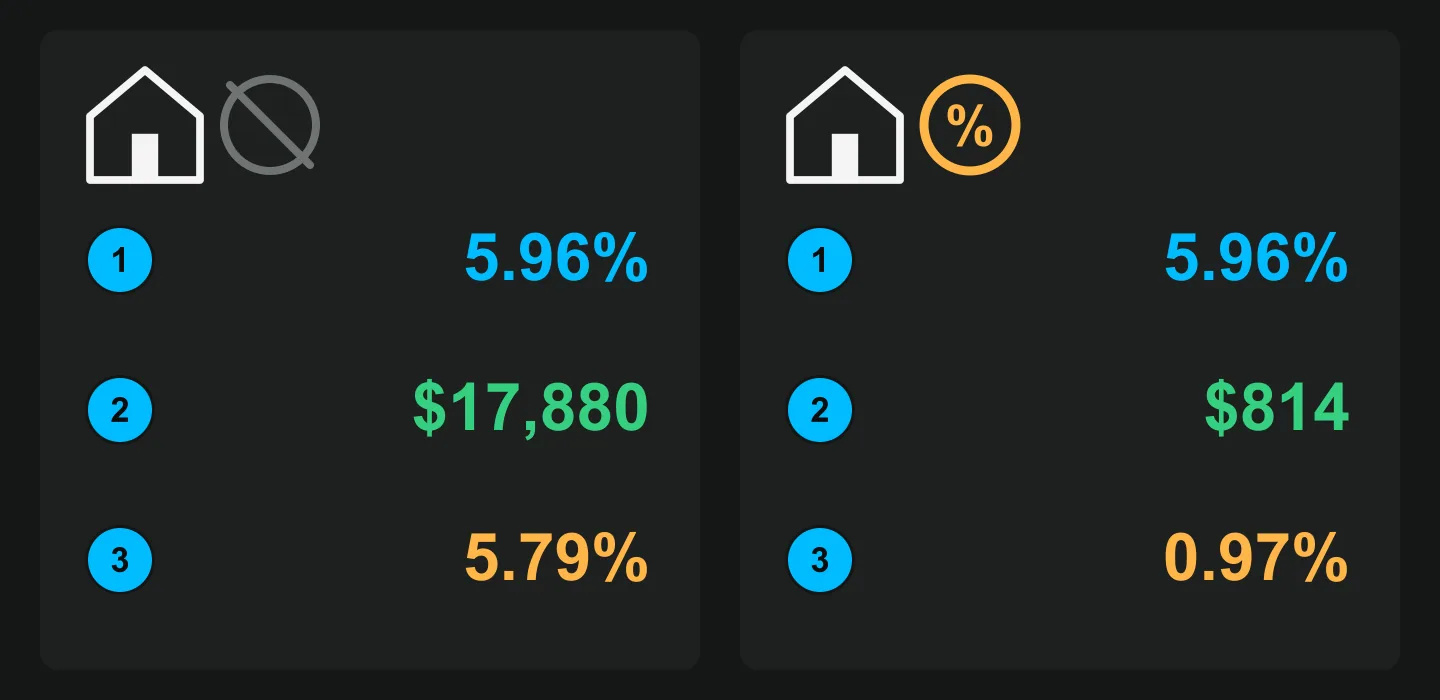
The cap rate stays at 5.96%. Cash flow falls from $17,880 to $814.16, and cash on cash from 5.79% to 0.97%. An investor who hears only "5.96%" and then sees $67.85 a month in their account will feel misled, even though nobody lied. Put both on the page.
Cash flow also counts the whole loan payment as money going out, although part of it pays down the loan. Say so, or a careful buyer will say it for you.
Where each number should come from
The sum is easy. An investor's doubts are about the inputs, so write the source beside each one.
- Price. The asking price for a first look, the agreed price once there is one. Say which.
- Rent. The current lease if there is a tenant. If the home is empty, rents of similar homes that actually let, not asking rents, and say so.
- Vacancy. A share of the year: about 8% is one month empty. Ask the owner for the real history of the property.
- Running costs. Property tax from the latest bill, insurance from a quote, HOA fees from the association's statement. Add repairs and management, even if the owner does those himself today: the next owner may not.
- Purchase costs. Closing costs and any work needed before the first tenant.
A figure with its source can be argued with. A figure without one simply gets ignored.
Test the costs you fear
One line of numbers looks more certain than it is. Before you send it, run the same property with worse assumptions and send both. With 10% vacancy and running costs of $10,800 instead of $7,200, NOI drops to $12,960, the cap rate to 4.32%, and yearly cash flow turns into −$4,106.
Nobody needs a forecast to see what that means. It tells the investor how thin the margin is, which is what they would have worked out anyway. You just earned their trust by doing it first.
What no yield figure tells you
- Income tax. The IRS treats rental income as taxable and has its own rules on expenses and depreciation in Publication 527 (2025 edition, US only). Rules differ in every country. A tax adviser can say what applies.
- The future. All of this is one year on today's numbers. Rents and values may move either way.
- The sale. Selling later costs money too. Our guide to the cost to sell a house shows what comes off the price.
If an investor asks "is this a good deal?", the honest answer is the comparison: what similar properties in the area produce with the same sums. "Good" depends on their goals, their loan and their tax, and that part is theirs.
Then show them the home
By the time an investor asks to see a home, the sums are done, and they may be buying from another city. What they want next is the state of the kitchen, the layout and the building's common parts.
In a Vistura virtual tour they move from room to room in 360 photos, from a single link on a phone or laptop, before booking a trip. Send the link with the figures. On Pro, "Before you call" shows you which rooms each person looked at, for how long and where they came from, so your first call starts with the kitchen they spent four minutes on, not with "did you get my email?". For more on who to reach and how, see our guide on how to get real estate listings.
Frequently asked questions
Is a higher cap rate better?
Not by itself. A higher figure can come with an older building, a weaker street or a shorter lease. Loan payments are not part of NOI, so the figure also says nothing about what the buyer's own money earns. Compare like with like in the same area.
Should I use the asking price or the market value?
Use the asking price for a first look and the agreed price once there is one. When comparing several homes, use the same kind of price for all of them, and say which it is.
Should an agent tell an investor what return to expect?
Show the sum and where each input came from, and let the investor change the assumptions. A forecast or a recommendation to buy is a different thing, and it belongs with a licensed adviser.
Is rental yield the same as cap rate?
Not as used here. Gross yield takes the full rent before any cost. Cap rate takes off vacancy and running costs first. Some people use the words loosely, so ask which one a figure is.