Real estate showing: how agents turn viewings into offers
A real estate showing guide for agents: qualify the buyer, send the tour first, prepare the home, what to say inside, and the same-day follow-up.
A real estate showing is a private, booked visit to a home for sale, where an agent walks a buyer through it. The ones that lead to offers have five things in common: the right buyer, a home that is ready, a route through the rooms, notes taken in the buyer's own words, and a follow-up the same day. This guide takes you through each one, before, during and after, for listing agents and buyer's agents alike. (In the UK the same visit is called a viewing.)
Before the showing
Most showings are won or lost before anyone rings the bell. The work here is choosing who comes, when, and into what.
Qualify the buyer first
A showing costs you an hour and costs the seller a clean house and an afternoon out. Book one only after a short qualifying call: budget, financing, timing and what the home must have. The four questions are in our real estate lead follow-up guide, and a buyer you will work with for months deserves a proper buyer consultation first.
In the US there is a rule as well. Since 17 August 2024, NAR says an MLS participant working with a buyer must have a written agreement before touring a home, and that covers in-person and live virtual tours. Sign it before the first showing, not on the doorstep.
Send the full walk-through first
The best showing is a second look, not a first one. Before you book, send the buyer a 360 tour or the full set of photos and the floor plan, and ask which rooms they want to see in person. A buyer who has already walked through on screen and still wants to come is a serious buyer. One who changes their mind on the sofa has saved you both a trip. If tours are new to you, start with what a real estate virtual tour is.
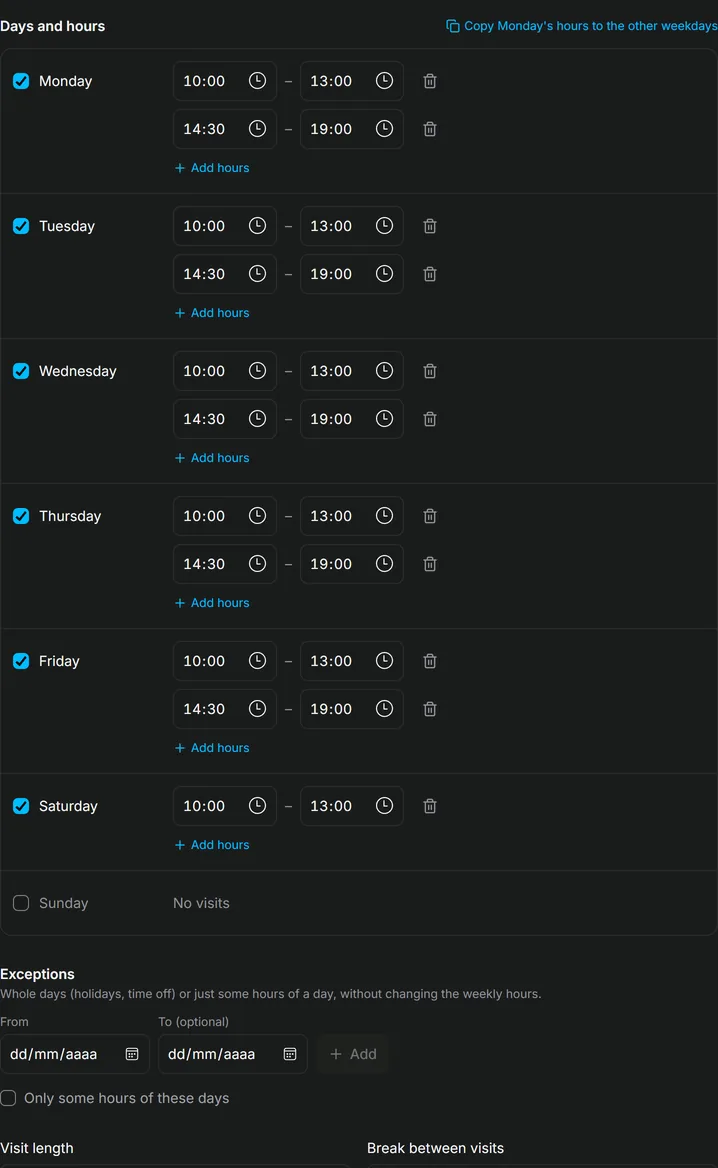
With Vistura, the tour goes out from "Share tour" as a link, by WhatsApp or by email, on every plan. On Pro, turn on "Visit booking" in the tour and buyers who have just walked through it tap "Book a visit" and pick one of your free times. You set your hours once in Settings > "Visit calendar". The viewing lands in your Leads at the "Visit booked" stage, you get an email with a calendar file, and that time is no longer offered to anyone else. The help guide let buyers book a viewing shows each step.
Set the slots
- Length. Redfin puts most private showings at about 15 to 45 minutes. Book the longer end for a family home and for any buyer bringing a parent or partner.
- Travel and a break. Leave time to drive between homes and ten minutes to write your notes.
- Blocks. Group showings of the same home into one afternoon where you can. The seller leaves the house once, not four times.
- Notice. Agree with the seller how much notice they need, and stick to it.
Get the seller ready
Most "showing a house tips" are written for sellers, so pass these on as a short list the day before. Redfin's do's and don'ts cover most of these:
- Be ready to leave the home during the showing. Buyers look properly only when they do not feel watched.
- Take pets out, or put them in a crate in one room, and tell you which.
- Lock away jewellery, watches, electronics and cash, and clear away mail, medicines and anything with personal details on it.
- Turn on every light and open the blinds.
- Clear the route: the hall, the stairs, the way into the garden.
For the deeper work on the rooms themselves, see our home staging tips.
Safety basics
NAR's safety programme advises agents who show homes to:
- show homes in daylight where possible, and turn on every light if you cannot;
- tell your office your schedule, and check in;
- park at the curb, not in the driveway, so nobody can block you in;
- leave the front door unlocked while you are inside, and stand near the door as you enter each room;
- keep your bag locked away and carry only your phone and what you need;
- have a reason ready to end the visit if someone makes you uneasy.
Meet a new buyer at your office first. NAR's consumer guide on buyer safety tells buyers not to be surprised if an agent asks for ID there, so asking is normal. In the US, Redfin tells sellers to allow access only through a lockbox or a showing service used by licensed agents. The rules differ by MLS and association, so follow yours and your broker's.
During the showing
Plan the route
Walk the home in an order that tells a story: arrive, the main living space, the kitchen, the bedrooms, the garden last. Then move the room the buyer cares about most to where it lands best, often second, after the entrance.
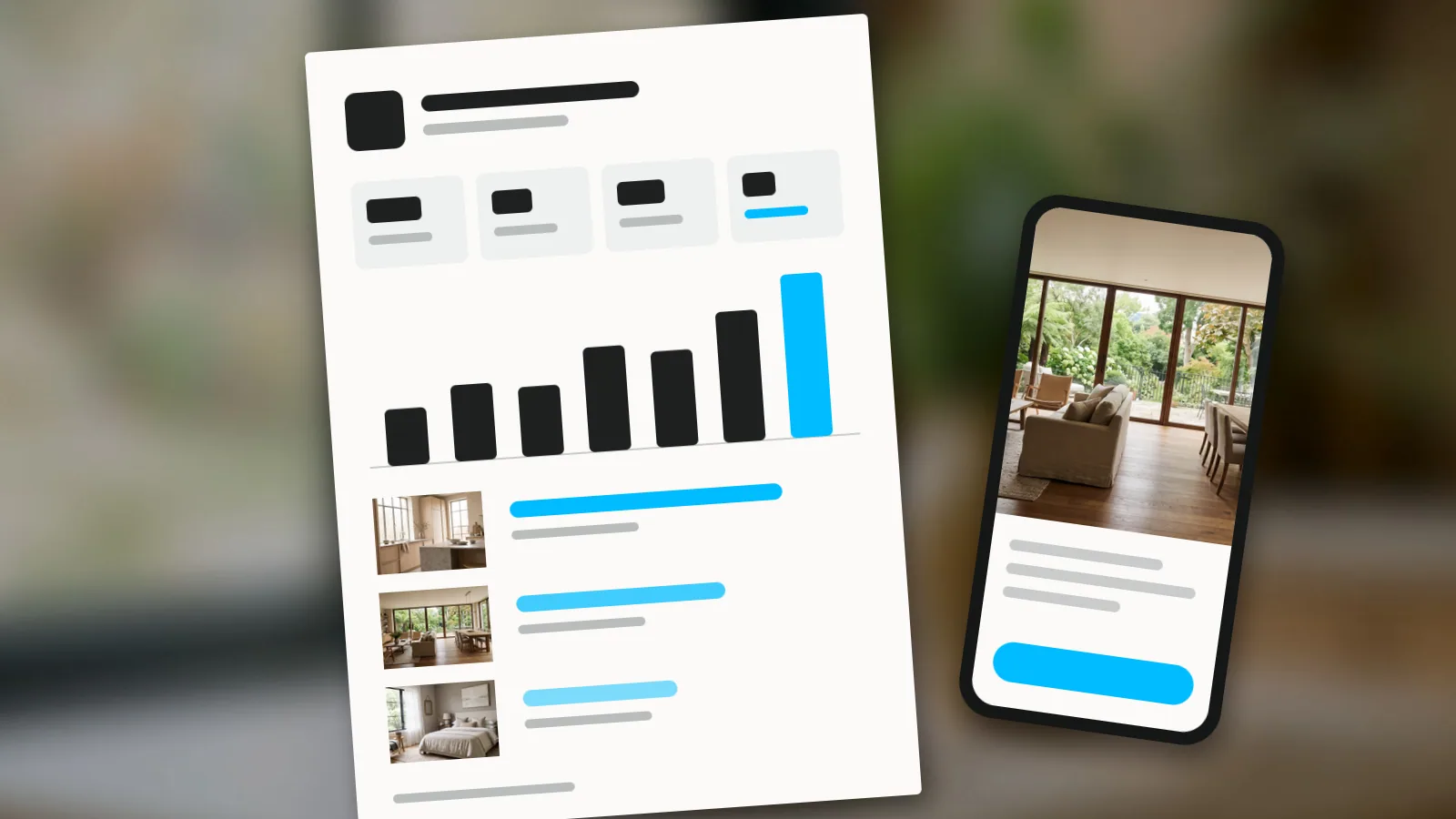
You may already know which room that is. On Pro, a lead who came through your Vistura tour shows "Before getting in touch": where the buyer found the tour, how long they stayed, "Time in each room", a heart on the rooms they liked, and "Asked about: Kitchen" when they wrote from a room. Plan the route around those rooms, and talk about the rooms, never the minutes. The help guide see what a buyer looked at shows where to find it.
What to say
Let the buyer walk ahead of you. Then ask more than you tell:
- "What's the first thing you'd change in here?"
- "Where would the desk go?"
- "How does this compare with the last one you saw?"
- "What would you want to check again on a second visit?"
Point out what a screen cannot show: the light at this hour, the noise from the street, the storage behind the doors, the water pressure. When you do not know an answer, say so, write the question down and promise a reply by a time you can keep.
What not to say
- Nothing about who lives in the area. NAR's fair housing guidance asks agents to share the same kind of neighbourhood information with every client and keep it objective and factual. Point buyers to sources they can check themselves.
- Nothing you want kept private. NAR's consumer guide tells buyers to assume recording devices are present during a showing. Talk about price, offers and the buyer's budget in the car, not in the kitchen.
- No hints about the seller's position if you are the listing agent. "They'd probably take less" ends your negotiation before it starts.
Take notes
Three lines per home, in the buyer's words, written before you reach the next door:
- What they liked.
- What worried them.
- The question you owe them an answer to.
Those three lines become your follow-up message tonight and your feedback to the listing agent.
After the showing
Feedback the same day
If you are the buyer's agent, reply to the listing agent's feedback request the same day. If you are the listing agent, ask the showing agent, not the buyer: they heard what was said in the car. Keep it short, and use your three lines of notes. Our open house feedback form has the questions, with a shorter version for private showings.
Follow up with the buyer
Send one message the same evening about the room they cared about, then ask the question that brings the objection out: "Is there anything that would stop you making an offer?" The full script and what to do with each answer are in the lead follow-up guide. For open houses, the open house checklist covers the rest, and the virtual open house guide covers live sessions online.
Report to the seller
Send the seller one line per showing that evening: who came (no names needed), what they liked, what worried them. Then gather the week into one report; our real estate seller report gives a template.
In Vistura, on Pro, move each lead along its stage ("Contacted", "Visit booked", "Offer") and set a "Follow up on" date, so the lead comes back to the top of your list on that day. For the seller, "Owner report" on the Statistics page shows the tour's visits and contact requests on every plan; on Pro it adds where visitors came from, the rooms they looked at most and the time they stayed. Write the week's showings in "What you did (optional)", then choose "Send now" or "Download PDF". The help guide see who visited your tour explains what each number means.
Your real estate showing checklist
Before
- Buyer qualified: budget, financing, timing, must-haves
- Buyer agreement signed before the first tour (US)
- Tour or full photos sent, rooms to see in person agreed
- Slot booked with travel time and a break
- Seller's list sent: leave, pets, valuables, lights, route
- Office told your schedule; lockbox or access rules checked
During
- Route planned around the room they care about
- Buyer walks ahead; front door unlocked
- Open questions asked; nothing said about who lives in the area
- Price and strategy kept for the car
- Three lines of notes per home
After
- Feedback to or from the other agent the same day
- Follow-up message about the room they cared about
- One line per showing to the seller tonight
- Next follow-up date set
Every showing you run this way also shows the next seller how you work, which is how you win more listings.
Viewings with buyers who already know the home
Picture showings where the buyer arrives having walked every room on screen, heads straight for the kitchen they asked about, and a seller who hears from you the same evening.
You can check each piece in the product. "Share tour" sends the tour by link, WhatsApp or email. On Pro, buyers book from the tour into your free times with "Visit booking", each lead from the tour shows "Before getting in touch", once you turn on alerts your phone tells you when a lead or a booking arrives, and stages and follow-up dates keep each buyer moving. The owner report goes by email or PDF in one step.
It takes little: a tour from your phone with Vistura Capture, nothing to install, and your hours set once.
Compare the plans. Every new account gets 14 days of Pro with no card. Start free now.
Frequently asked questions
How long does a real estate showing last?
Redfin puts most private showings at about 15 to 45 minutes, while an open house runs for hours. Book slots with time to spare between homes, so a buyer who wants a second look at the kitchen never feels rushed.
Should the seller be home during a showing?
Usually not. Redfin's advice to sellers is to be prepared to leave the home for in-person showings, so buyers can look around without feeling watched. Pets go with the seller or into a crate, and valuables and documents are locked away.
Does a buyer have to sign anything before a showing?
In the US, yes, if they work with an agent. Since 17 August 2024, NAR says an MLS participant working with a buyer must have a written agreement before touring a home, in person or as a live virtual tour. Elsewhere, follow your local rules and your agency.
What should an agent not say during a showing?
Nothing about who lives in the area. NAR's fair housing guidance asks agents to give every client the same kind of neighbourhood information and to keep it objective and factual. Also keep price and strategy for the car: NAR tells buyers to assume a home may have audio or video recording.