Virtual staging: what it is, when it helps, and the rules
What virtual staging is, when it helps sell an empty home, how it compares with real home staging, and how to use it honestly next to a 360 tour.
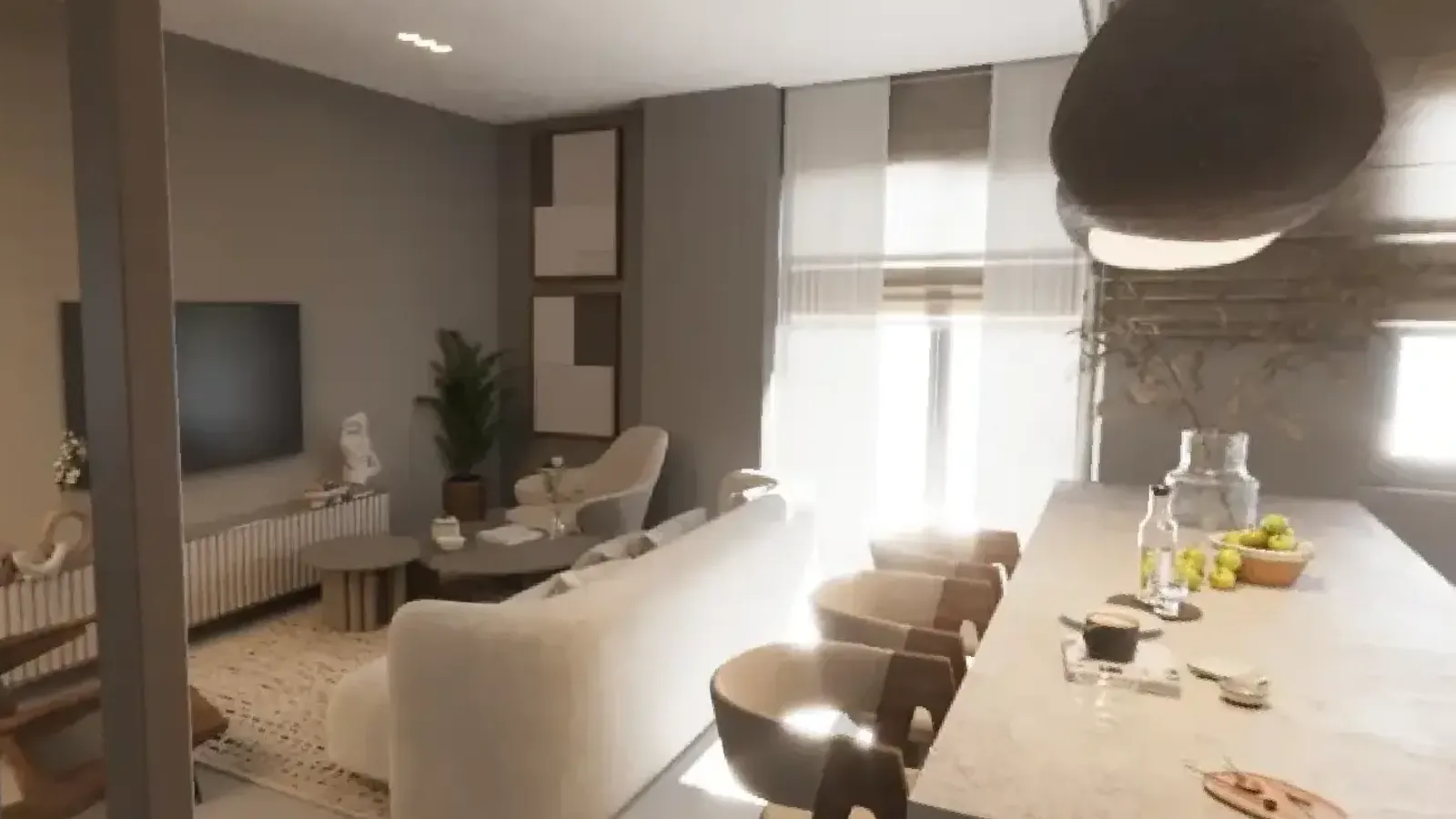
Virtual staging adds furniture, rugs and decor to photos of a room with software, so an empty or tired room looks like a home someone could live in. The room itself does not change; only the photo does. Used honestly, it helps buyers picture an empty home. Used badly, it creates a gap between the photos and the viewing that costs you trust.
This guide explains when virtual staging helps, how it compares with real staging, and how to use it next to a 360 tour.
When virtual staging helps
Empty rooms are hard to read in a photo. Without furniture, buyers cannot judge the size of a room or how it could be used. Virtual staging helps most when:
- The home is empty, because the sellers have moved out or it is a new build.
- A room has no clear use, such as a small second bedroom or a loft space.
- The furniture is dated or personal, and the seller cannot replace it before the photos.
- You sell off plan, and buyers need to see what the finished rooms could look like.
It helps far less when the home is already well furnished. Then a tidy-up and good light do more than any software, as our home staging tips explain.
Virtual staging vs real home staging
| Virtual staging | Real home staging | |
|---|---|---|
| What changes | The photo | The room |
| Speed | Days, with no visit to the home | Planning, delivery and set-up |
| At the viewing | The room is still empty | The buyer walks into a furnished room |
| Best for | Empty homes, new builds, off-plan sales | Homes where the viewing has to impress |
Many agents combine the two: real staging in the living room, where first impressions form, and virtual staging in the bedrooms.
How to use it honestly
Buyers who feel misled at the viewing do not make offers. A few rules keep virtual staging on the right side:
- Say it. Label each staged photo as virtually staged, on the photo or right under it.
- Show the room as it is. Put the real photo next to the staged one.
- Add furniture, never change the room. Do not remove a column, paint a damp wall, change the view from the window or make the room bigger.
- Use furniture that fits. A king-size bed in a room that only fits a double sets up a disappointment.
- Check the portal's rules. Some portals have their own requirements for edited photos.
Virtual staging and 360 tours
A 360 tour shows the home as it really is, room by room. That makes it the natural partner of virtual staging: the staged photos show what the home could be, and the tour shows what it is. A buyer who has walked through the empty rooms in 360 is not surprised at the viewing.
Staging a 360 photo itself is possible with some services, but it is harder than a normal photo, because the furniture has to look right from every direction the visitor turns. If you do it, label the tour clearly and keep an unstaged version available.
To build the tour, you only need a 360 camera or your phone. The guide to the real estate virtual tour covers the steps, and in Vistura the tour sits next to your listing photos under one link.
Mistakes to avoid
- No label. The buyer discovers the empty room at the viewing and stops trusting the listing.
- Hiding defects. Covering cracks, damp or a bad view is misleading, not staging.
- Furniture that does not fit. It makes the room look bigger than it is.
- A style nobody shares. Neutral, simple furniture lets more buyers picture themselves there.
- Only staged photos. Always keep at least one real photo of each staged room.
Conclusion
Virtual staging is a quick way to help buyers see the potential of an empty home, as long as you say it is staged and show the real room too. Pair it with a 360 tour of the home as it is, and buyers arrive at the viewing knowing both what the home is and what it could be. To build that tour, start free on Vistura.
Frequently asked questions
What is virtual staging?
Virtual staging adds furniture and decor to photos of a room with software, so an empty room looks lived in. Nothing changes in the real home; only the photo does.
Is virtual staging allowed in listings?
In most markets it is, as long as it does not mislead. Say clearly that the photo is virtually staged, keep a photo of the room as it is, and never hide defects or change the structure of the room. Check your portal's rules, as some have their own.
Is virtual staging cheaper than real home staging?
Usually, because no furniture is moved or rented. Real staging still wins at viewings, because buyers walk into a furnished room. Many agents stage the main room for real and the rest virtually.
Can I virtually stage a 360 photo?
Some services do it, but it is harder than a normal photo because the furniture has to look right from every direction. Many agents keep the 360 tour as the real, unstaged home and use virtual staging on a few normal photos.